
OVERVIEW

From Idea to reality

We provide Valves and Actuators for a variety of sustainable mobility applications. Our Valves and Actuators are used in multiple applications likes HVAC system, emission control and e-mobility solutions to drive the future of sustainable mobility.

HVAC Actuator
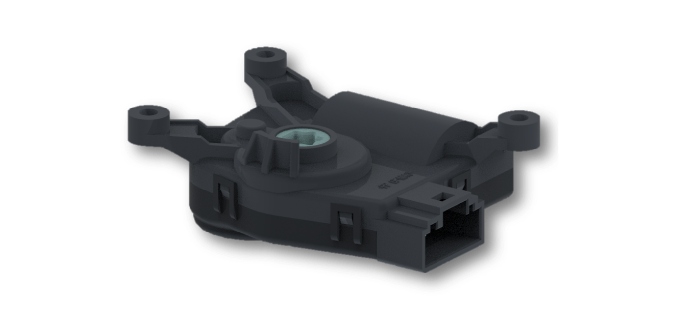
HVAC actuators are used to operate a wide variety of HVAC components such as air dampers, fluid valves, air handling units, and other components that are typically used in HVAC systems.

A HVAC actuator typically includes a motor and a drive device that is driven by the motor and coupled to the HVAC component.

HVAC Actuator
prev
next

Features

Accurate feedback to function in the closed loop system

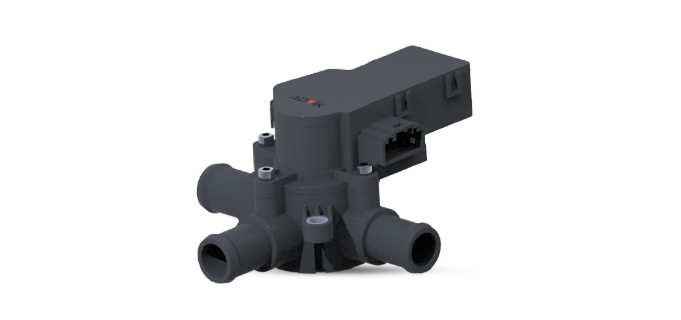
3-Way/4-Way Valve

With reference to vehicle operating, load condition & Temperature Sensor feedback, ECU drives signal to the electric coolant valve to divert flow to necessary EV parts so as to meet cooling requirements. Highly efficient rotary actuators are capable to divert pressurized water to respective parts, i.e. motor, battery, radiator etc

3-Way/4-Way Valve
prev
next

Features

  • High Voltage Protection
  • Over Current Protection
  • Noise Level <40dB
  • Ingress Protection
  • Communication = PWM/LIN

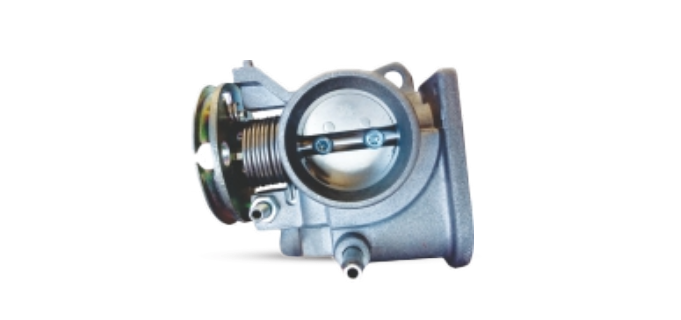
Throttle Body Assembly

Conventional Carburetor system not efficient to meet Evaporative norms as it has dependent mechanical linkages to maintain stoichiometric ratio to meet power demands & fuel efficiency.

To meet above requirement Fuel Injection has to be implemented along with electronic Throttle Valve assy.

Throttle Body Assembly
prev
next

Working Principle

Electronic throttle unit regulates , the amount of Air flow electronically which going to Engine.

The throttle body has integrated function of Idealing air flow regulation, Air temperature sensor & Throttle position sensor.

Benefits

  • Assist to reduce Evaporative emission.
  • Regulates Air flow precisely.
  • Enhances Fuel efficiency.

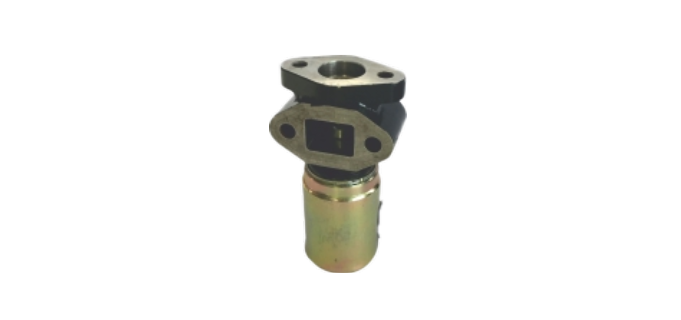
EGR Valve

Superior quality with proven OE technology, our valves are part of vehicle infrastructure worldwide. Tailormade to meet strict design and configuration specifications of the customers.

EGR Valve
prev
next

Features

The EGR (Exhaust Gas Recirculation) system reduces harmful nitrogen oxide (NOx) emissions by recirculating a portion of the engine's exhaust gas back into the intake manifold.

Benefits

  • Superior resistance to extreme environmental conditions of dust, heat, corrosion, and wear
  • Enhanced fuel efficiency.
  • Reduced emissions and carbon build-up
  • Fast response times for enhanced engine and emissions control.
  • Engineered for a close fit and tolerances

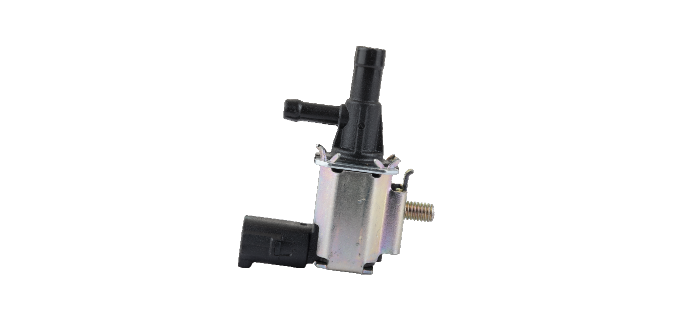
Solenoid Purge Valve

We work with our OE partners and customers to design and develop state-of-the-art products for intake/exhaust valve control.

Solenoid Purge Valve
prev
next

Features

The solenoid Purge valve is an electronic valve and part of the vehicle Evaporative Emission Control (EVAP) system. EVAP system prevents fuel vapors from the fuel tank from escaping into the atmosphere. The ECM or PCM monitors the flow of fuel vapor and adjusts the valve's opening time to ensure the correct amount of fuel vapor is purged from the system.

Benefits

  • Reduces Evaporative emission.
  • Regulates precise airflow.
  • Enhances Fuel efficiency.
  • Boosts engine performance
  • Delivers high performance in any environment.
  • Improves vehicle's performance, fuel efficiency, and lifespan.

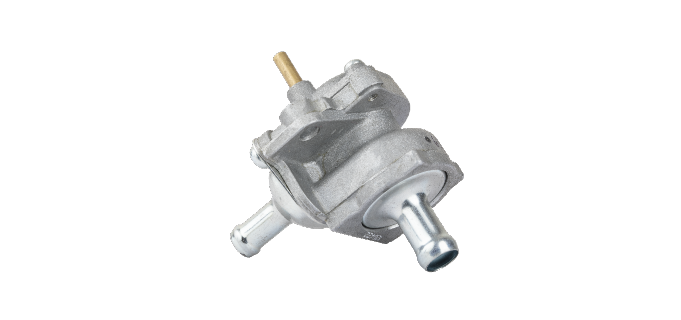
Secondary Air Injection

We work with our OE partners and customers to design and develop state-of-the-art products for for intake/exhaust valve control.

Secondary Air Injection
prev
next

Features

During Cold starting, the SAI unit allows fresh atmospheric air to flow in to the Exhaust Manifold & interact with the oxidized the unburnt hydrocarbon to convert carbon monoxide into carbon dioxide & hydrogen convert in to water (Steam).

Benefits

  • Reduces mass emission.
  • Assists the Catalytic Converter by providing more hot exhaust.
  • Inbuilt Air Cut off Valve to ensure secondary air flow is routed in cold starting conditions.

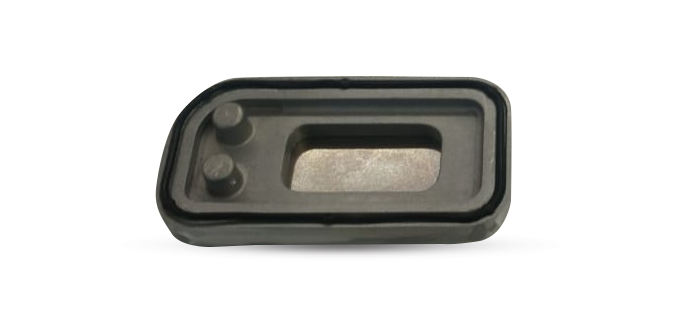
Reed Valve

Advik’s world-class engineering and design experts offer an extensive range of valves for the automotive industry.

Reed Valve
prev
next

Features

The rollover valve is attached to the carbon canister and prevents any leakage from the fuel tank in the event of an accident. Customized to cater to a varied range of flow control environments.

Benefits

  • Easy installation
  • Compatible with both internal and external mounting.
  • Can withstand high extremes of impact, corrosion, and temperature.
  • Engineered to meet different flow rates
  • Superior leakage resistance
  • Compliance with global emission, and safety standards.

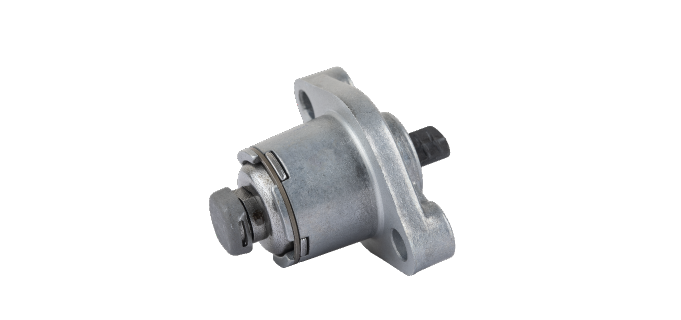
Mechanical Chain Tensioners

Tensioners play a critical role in engine performance by helping to maintain the proper tension and alignment on the timing chain that drives the engine’s camshafts and other components

Mechanical Chain Tensioners
prev
next

Features

High-quality materials and advanced technology ensure our tensioners can withstand harsh environmental conditions including corrosion, heat, and vibration. With a compact size and low maintenance design, we design tensioners to match your specific make and vehicle model

Benefits

  • Improved engine performance and lifespan.
  • Reduced friction losses and maintenance costs.
  • Protects engine from wear and tear
  • Minimal vibration and noise.
  • Enhanced safety and comfort

Hydrualic Chain Tensioner

They play a critical role in engine performance by helping to maintain the proper tension and alignment on the timing belt that drives the engine’s camshafts and other components. The traditionally used mechanical tensioners are upgraded to meet the tough regulation norms for ICE vehicles.

Hydrualic Chain Tensioner
prev
next

Features

Hydraulically actuated which provides superior performance in contrast to conventional tensioners. Advik offers different types of hydralics tensioners as per customer requirement

Benefits

  • Entire manufacturing of crital components in-house
  • Accuracy – very high bolt load tolerance accuracies.
  • No frictional losses to consider nor need for lubrication. Easy to calculate load transfer and to prevent overload.
  • Speed – the tools are remarkably fast to install and operate.
  • Cost efficiency – combining the factors above, hydraulic bolt tensioning provides operational value for the customer.
Scroll to Top